
This guide explains what ceramic fiber insulation is, the forms it comes in, what its temperature ratings actually mean, and when it is the right choice for high-heat equipment.
Ceramic fiber holds up to roughly 2,800°F in the linings Demo Plus installs. It does that at a small fraction of the weight of firebrick or castable refractory.
The most useful part below is the section comparing ceramic fiber with castable refractory. It gives you a plain way to decide which one a given boiler, furnace, or kiln needs.
What ceramic fiber insulation is
Ceramic fiber insulation is a lightweight, high-temperature material made from spun or blown alumina-silica fibers.
It comes as flexible blanket, rigid board, or pre-compressed module. Standard grades insulate up to about 2,300°F to 2,600°F, with specialty grades going higher.
Its big advantage over brick and castable is low heat storage. It heats up and cools down quickly, which cuts fuel use and shortens the wait to restart equipment after an outage.
The fiber itself is an amorphous wool, similar in feel to mineral wool but rated for far more heat. In blanket form it contains no binders at all.
Thermal conductivity runs about 0.1 to 0.25 W/m·K at furnace temperatures. That makes it several times more efficient per inch than dense firebrick, according to Thermal Processing Magazine.
The three forms: blanket, board, and module
Ceramic fiber is sold in three main forms, and each one suits a different job. Most industrial linings use a combination.
Blanket
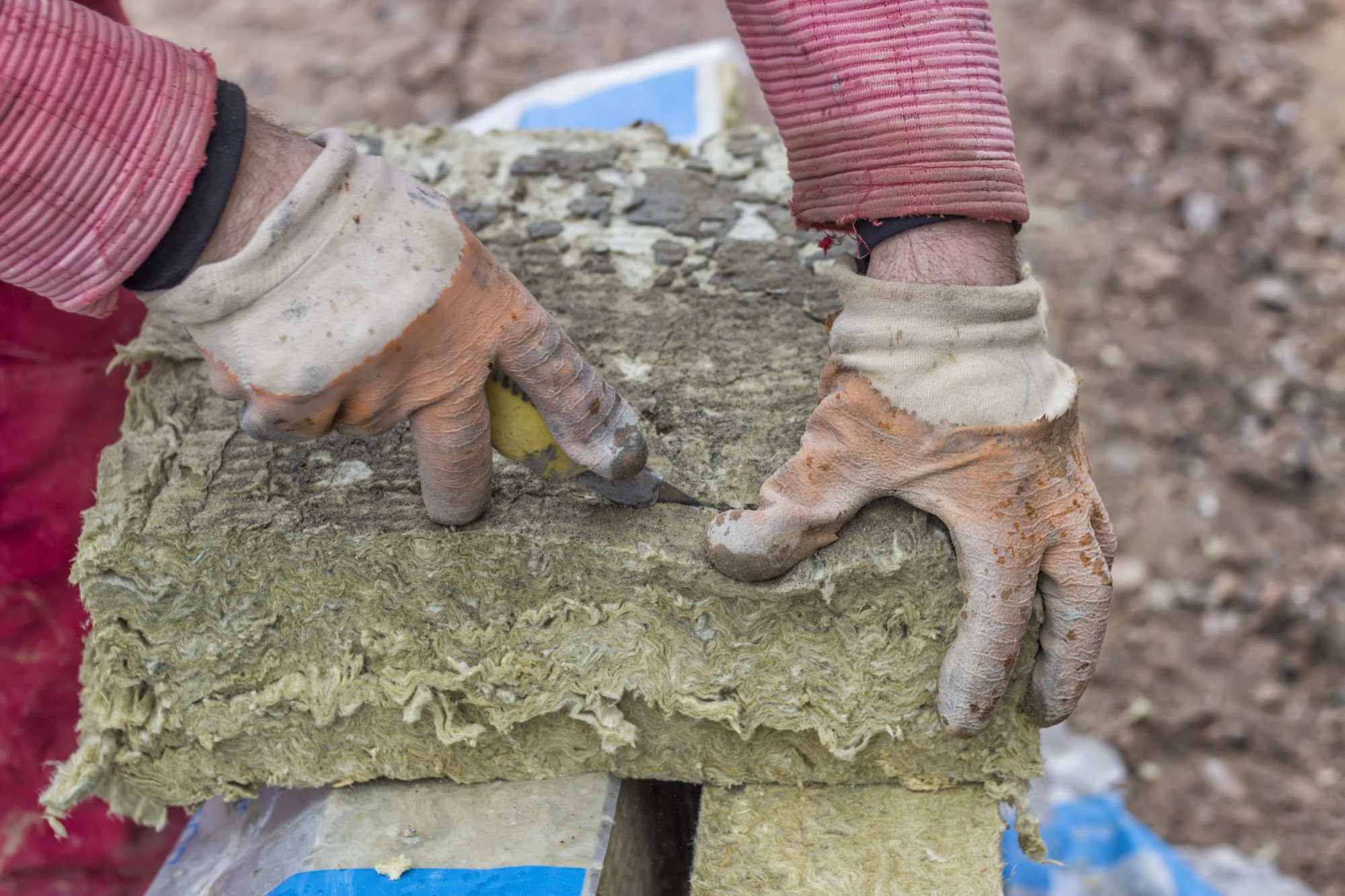
Blanket is a flexible, needled mat with no binder. It wraps curved surfaces, packs into gaps, and cuts with a utility knife.
It is the most common form and the least expensive to buy. Typical densities run 4 to 8 pounds per cubic foot, and higher density resists gas erosion better.
Board
Board is a rigid, pressed panel made with binders so it holds its shape. It is denser and stronger than blanket.
Use it where the insulation has to support itself or take light contact. Common spots are kiln doors, furnace floors, burner blocks, and back-up behind a castable hot face.
Module
A module is folded layers of blanket compressed into a block with a built-in anchor. Modules install fast in a grid pattern and are the standard choice for a full furnace reline.
Because they are pre-compressed, they close up tight against each other as they relax at heat. That gives a seam-free hot face with lower heat loss than layered blanket.
Not sure which form your equipment needs? Request a quote from Demo Plus and our crew will spec the lining during your next planned outage.
What the temperature grades mean
Ceramic fiber is sold by classification temperature, and the number on the box is not the temperature you should run it at.
Standard alumina-silica grades are classified at 2,300°F, 2,550°F, and 2,600°F (1,260°C, 1,400°C, and 1,430°C).
The safe continuous-use temperature sits roughly 200°F to 400°F below that classification. Run a 2,600°F blanket in a 2,600°F furnace and it will shrink, embrittle, and pull open at the seams.
Two other grades matter for specific jobs. Soluble (AES) fiber tops out near 2,150°F but clears the health concerns tied to standard fiber.
Polycrystalline wool handles roughly 3,000°F and up for the hottest applications. It costs significantly more, so it is used only where standard fiber cannot survive.
The practical rule: pick the grade whose continuous-use rating clears your real operating temperature with margin, then confirm the density is right for the gas velocity in that zone.
Where ceramic fiber fits in a furnace or boiler lining
Ceramic fiber rarely does every job in a lining by itself. It works best in a few specific roles.
Hot-face veneer. A layer of blanket or module over sound existing brick, added to cut fuel use and speed up cycling without a full tear-out.
Back-up insulation. Board or blanket behind a castable or brick hot face, where it does the insulating work while the dense material takes the abuse.
Full fiber lining. Blanket or module as the complete lining on lower-mass batch furnaces, ovens, and ductwork that cycle often.
Seals and expansion joints. Blanket and paper packed into moving joints, around burners, and at door edges, where a rigid material would crack.
The refractory materials that pair with it — castables, plastics, firebrick, and gunning mixes — are covered in our guide to industrial refractory materials.
Ceramic fiber vs. castable refractory: how to choose
This is the decision most facilities get wrong, usually by defaulting to whatever was in the equipment before.
Lean toward ceramic fiber when the equipment cycles on and off, fuel cost is a real line item, weight is a constraint, you need a fast reline, and the atmosphere is relatively clean.
Lean toward castable or brick when there is abrasion or impact, high-velocity gas or particulate, slag or chemical attack, molten metal contact, or the lining has to carry a structural load.
Often the right answer is both. A castable or brick hot face handles the punishment, and a ceramic fiber back-up layer does the insulating.
A continuously running process furnace with heavy dust loading is a poor candidate for a full fiber hot face. A batch heat-treat furnace that fires up three times a week is close to an ideal one.
If your last reline was a like-for-like replacement without this conversation, the next outage is the time to have it.
Seeing higher fuel bills or hot spots on your equipment? A refractory inspection from Demo Plus catches a failing fiber lining before it forces an unplanned shutdown.
Signs your ceramic fiber lining needs attention
Fiber linings fail gradually, then quickly. Catching the early signs during a planned outage is far cheaper than an unplanned shutdown.
Hot spots on the shell. A thermal-imaging scan of the outer casing during operation shows where the fiber has thinned or pulled away.
Open seams and visible shrinkage. Gaps between blanket layers or modules let heat drive straight to the back-up and the shell.
Rising fuel use for the same output. A steady climb in gas consumption at a fixed production rate usually means the lining is losing R-value.
Glassy, brittle hot face. Prolonged heat turns the fiber surface into a fragile, glazed crust that flakes off — a condition called devitrification.
Sagging or detached modules. Anchor corrosion or overheating lets sections droop, which opens the grid and accelerates the rest.
The same inspection discipline that extends a brick or castable lining applies here — see our notes on extending the life of a refractory lining and on boiler refractory repair.
Handling ceramic fiber safely
Standard refractory ceramic fiber is a recognized health hazard, and old, in-service fiber is worse than new material.
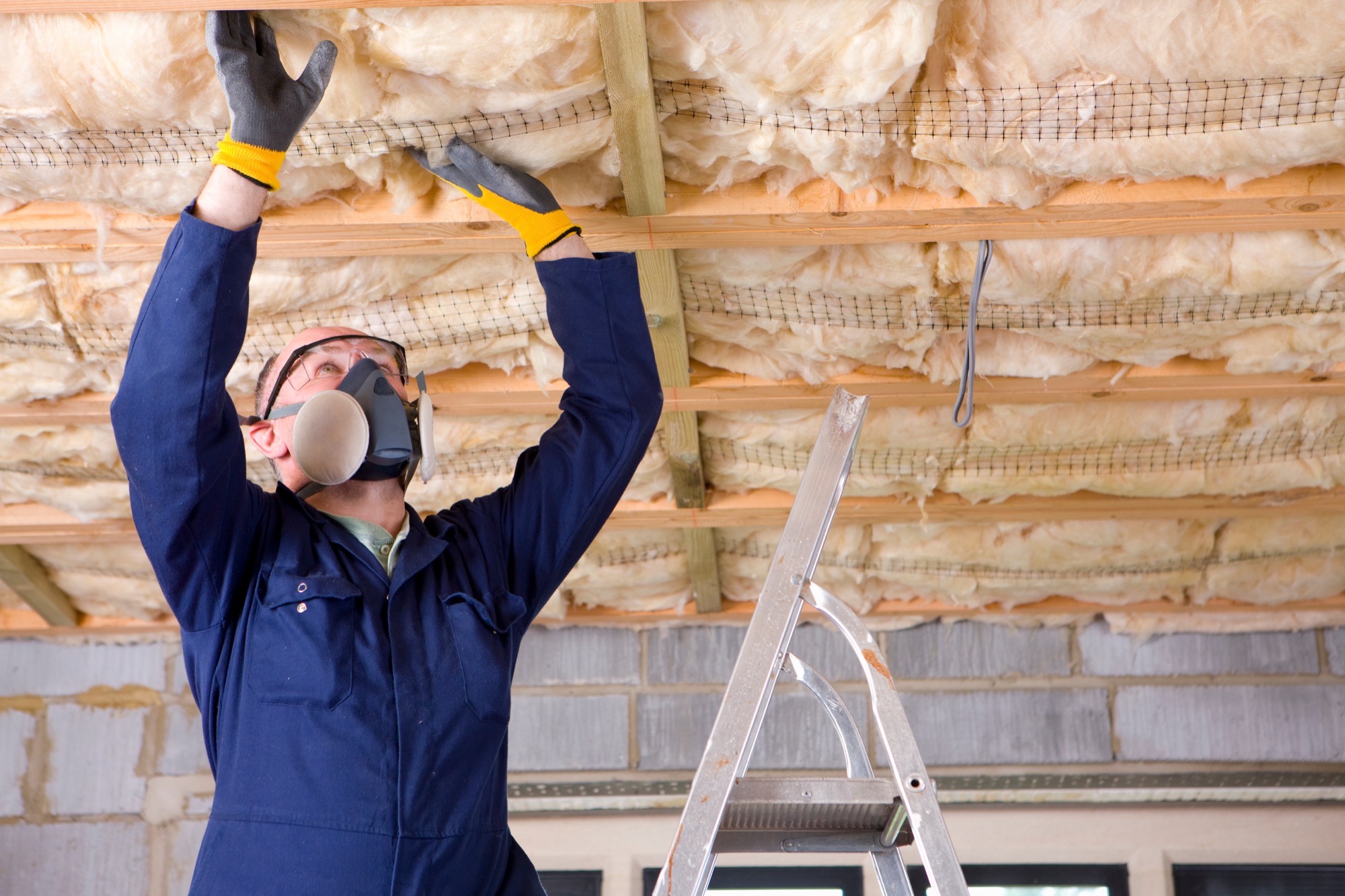
The fibers are sharp and respirable. The U.S. National Institute for Occupational Safety and Health links workplace exposure to skin and eye irritation, respiratory symptoms, and pleural changes.
After service, some ceramic fiber devitrifies into cristobalite, a form of crystalline silica. That means tearing out an old lining carries more risk than installing a new one.
Basic controls: fit-tested respirators, gloves, long sleeves, and eye protection. Use HEPA vacuums and wet methods, never compressed air, and bag the waste for proper disposal.
This is a large part of why old-lining removal is a job for a trained contractor with the right protective equipment and disposal process, not general maintenance staff.
What ceramic fiber insulation costs
Material cost follows a clear order. Blanket is the cheapest to buy, board sits in the middle, and module is the most expensive per square foot.
Grade and density move the price too. A 2,600°F, 8-pound blanket costs well more than a 2,300°F, 4-pound blanket of the same thickness.
Material is usually the smaller number, though. On a full reline, labor and lost production time drive most of the total cost.
That is why modules often win on a big job even though they cost more to buy. They go in faster, so the equipment is back in service sooner.
A proper quote prices the installed system against your downtime window, not just the material on a pallet.
If you are not sure whether your equipment needs fiber, castable, or a combination, have the lining assessed during your next scheduled outage.
Demo Plus has installed and maintained high-temperature linings for boilers, furnaces, and kilns across Minnesota and the Upper Midwest since 1994.
Need ceramic fiber or refractory work done right?
Tell us about your equipment and we will scope the lining, the grade, and the outage window.
Request a QuoteFrequently asked questions about ceramic fiber insulation
What temperature can ceramic fiber insulation withstand?
Standard alumina-silica grades are classified at 2,300°F, 2,550°F, or 2,600°F, but safe continuous use runs about 200°F to 400°F below that rating. Polycrystalline wool grades handle roughly 3,000°F and above. Always size the grade to the continuous-use rating, not the peak number.
Is ceramic fiber insulation the same as fiberglass?
No. Both are mineral wools, but fiberglass softens around 1,000°F while ceramic fiber is made from alumina and silica and stays stable well past 2,000°F. They are not interchangeable in high-heat equipment.
Can ceramic fiber replace firebrick?
Sometimes. Fiber can replace brick as a full hot face on equipment that cycles often and has a clean, low-velocity atmosphere. Where there is abrasion, slag, high gas velocity, or mechanical contact, brick or castable is still needed, often with a fiber back-up layer.
Is ceramic fiber insulation safe to handle?
New fiber causes skin, eye, and respiratory irritation and is handled with respirators, gloves, and eye protection. Used fiber can convert to crystalline silica, so removing an old lining carries added risk and should be done by a trained contractor with HEPA extraction and proper disposal.
How long does a ceramic fiber lining last?
It depends on temperature, cycling, and atmosphere. A fiber lining in a clean, cycling batch furnace can run many years, while one exposed to high gas velocity or near its temperature limit may need attention in two to three. Thermal-imaging scans during outages are the best way to track it.