
Refractory brick is a fired ceramic brick made to keep its shape and strength at temperatures that would destroy ordinary brick, from roughly 2,000°F to well over 3,000°F depending on the grade. Industrial facilities use dense firebrick on the hot face of boilers, furnaces, and kilns, and lighter insulating firebrick behind it to hold heat in.
This guide is about industrial refractory brick, not fireplace or wood-stove brick. It covers what the brick is made of, the difference between dense and insulating brick, how grades work, and how to tell when a brick lining needs repair or a full reline.
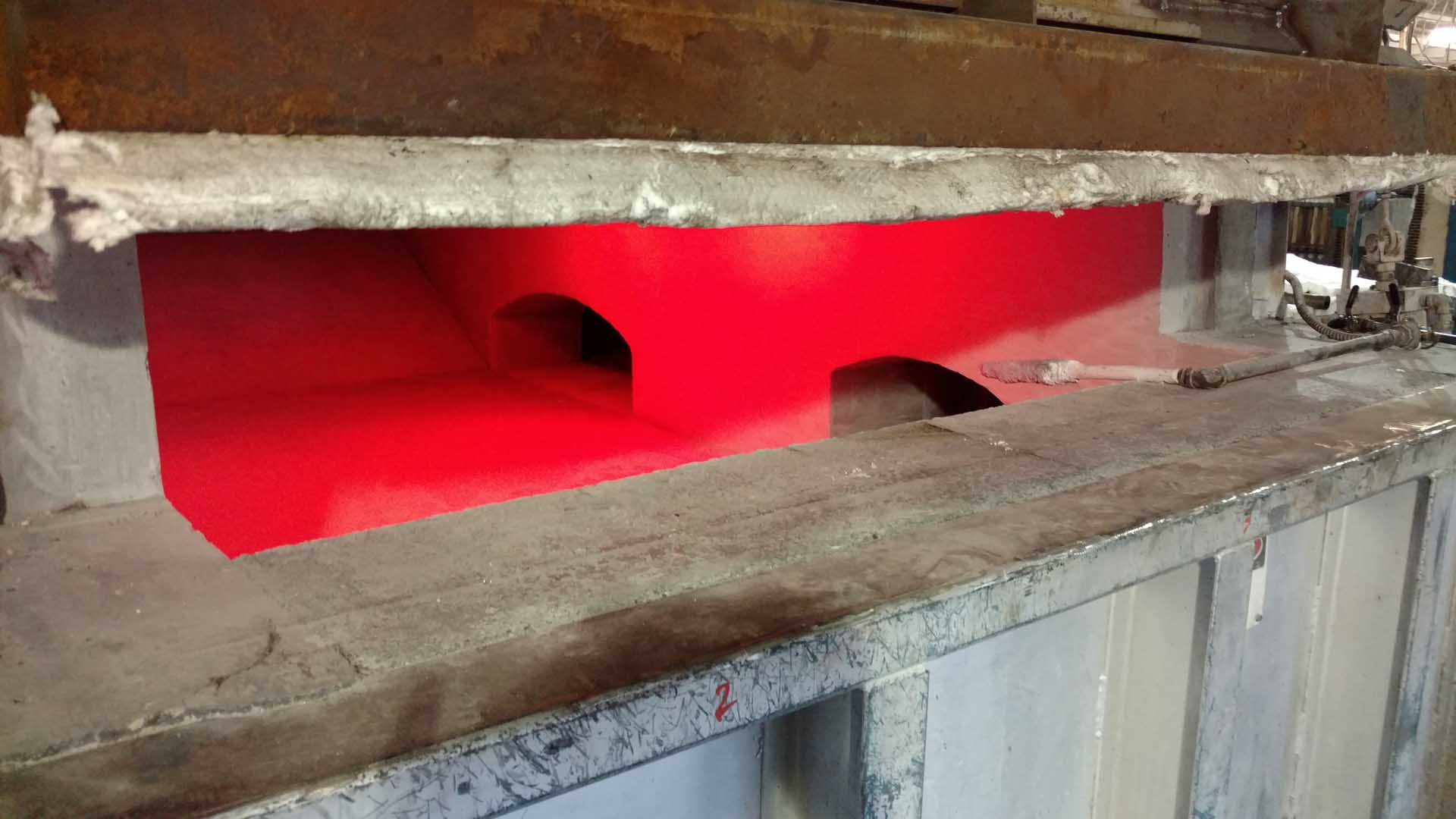
What refractory brick is made of
Most refractory brick starts as fireclay, a natural clay rich in alumina and silica. Raising the alumina content makes the brick handle more heat and resist chemical attack better.
Other families are built for specific conditions:
- Fireclay brick — the general-purpose workhorse for boilers, kilns, and backup linings.
- High-alumina brick — more alumina for higher temperatures and better resistance to slag and corrosive gases.
- Silica brick — strong at sustained high heat, used in certain glass and coke-oven applications.
- Basic brick (magnesia-based) — resists alkaline slags, common in steelmaking and cement.
- Silicon carbide brick — high wear resistance and thermal conductivity for abrasive or specialty service.
Demo Plus installs firebrick alongside the other materials a lining needs, including castables, plastics, mortars, and gunning mixes. Our guide to industrial refractory materials compares all of them side by side.
Dense firebrick vs. insulating firebrick
The two kinds of brick do different jobs, and most linings use both.
Dense firebrick: the hot face
Dense firebrick is heavy, strong, and holds up to direct flame, abrasion, and slag. It sits on the hot face, the layer that touches the fire or the process. The trade-off is that it stores a lot of heat and conducts more of it outward.
Insulating firebrick (IFB): the backup layer
Insulating firebrick is porous and lightweight. It is more than 45% open space by volume, according to Thermal Processing Magazine, and soft enough to cut with hand tools. That trapped air makes it a far better insulator than dense brick, and it heats and cools faster.
The catch is strength. IFB is not built for working linings, heavy loads, or areas with erosion and wear. It belongs behind the hot face, or in clean, low-abrasion zones, where it cuts heat loss through the shell.
Not sure which brick your boiler or furnace needs? Request a quote from Demo Plus and our crew will spec the lining before your next planned outage.
How refractory brick is graded
In the U.S., brick grades come from ASTM standards. Under ASTM C27, high-alumina brick is classed mainly by its alumina content, in steps starting at 50%. Fireclay brick is classed by its physical properties, in duty grades such as medium-, high-, and super-duty.
Insulating firebrick uses ASTM C155. Its group number times 100 gives the classification temperature in °F. A Group 23 brick is rated at 2,300°F and a Group 26 brick at 2,600°F.
The classification temperature is a test rating, not a working limit. Thermal Processing Magazine notes that maximum use typically runs about 100°C (roughly 180°F) below it. Size the brick to your continuous operating temperature with margin, not to the peak number on the data sheet.
Where brick fits in an industrial lining
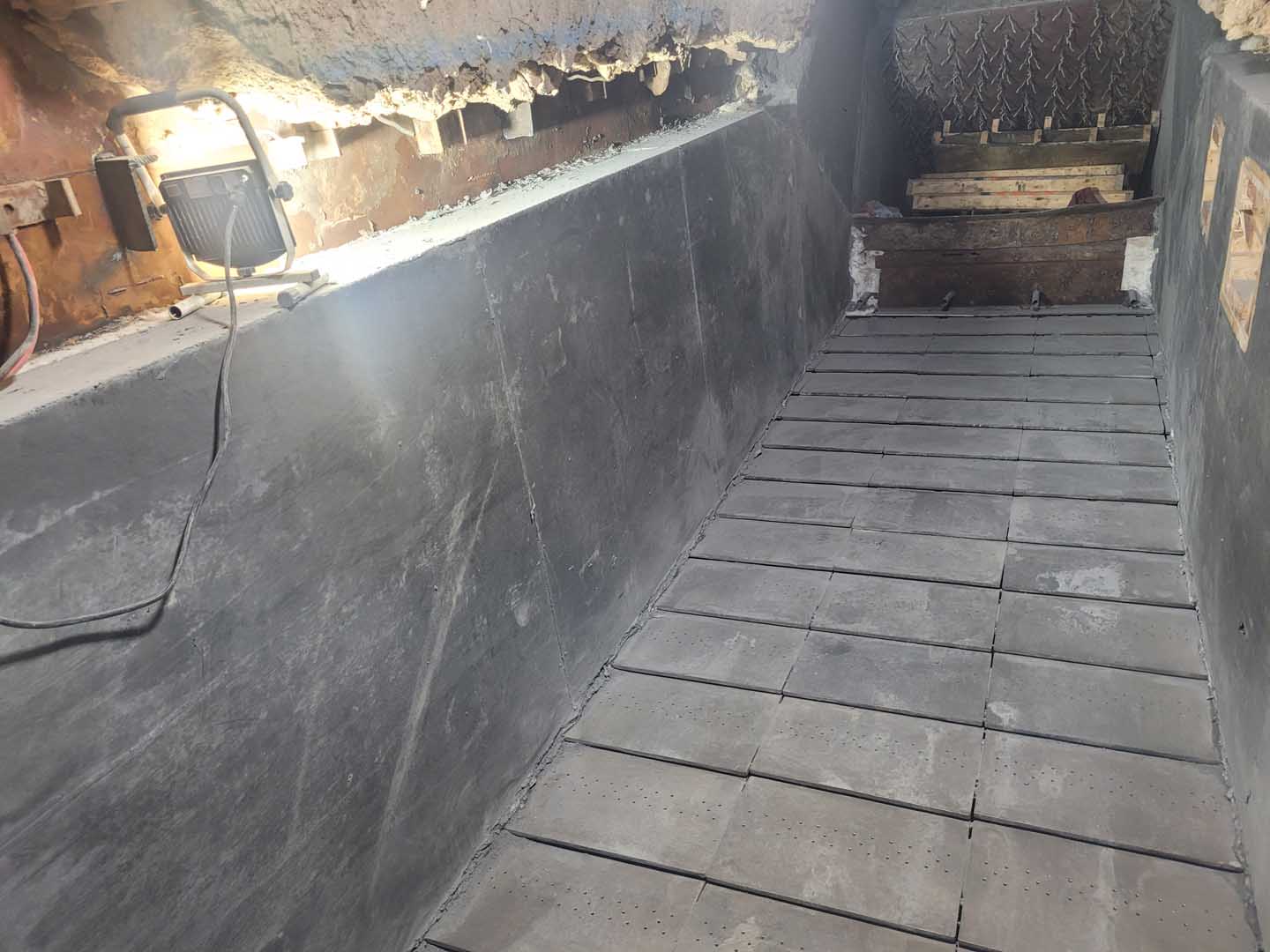
Brick is the traditional choice wherever a lining needs structure and long life under steady, high heat:
- Boilers — firebox walls, burner throats, and floors. See our page on boiler refractory repair.
- Furnaces — hearths, walls, and roofs, with dense brick at the hot face and insulating brick behind it.
- Kilns — where brick’s strength and heat capacity keep temperatures stable through long firing cycles.
Brick is not always the answer. Castable refractory is poured or gunned into place and handles complex shapes and anchored sections that brick can’t easily form. Ceramic fiber is far lighter and recovers from heat cycling faster. Our ceramic fiber insulation guide walks through when fiber beats brick or castable.
Many real linings combine all three: brick where strength and durability matter, castable around openings and odd shapes, and fiber or IFB for insulation.
Signs refractory brick needs attention
Brick linings rarely fail all at once. These are the early warnings worth catching during an inspection:
- Spalling — chunks or layers flaking off the hot face, often from thermal shock or trapped moisture.
- Cracks — hairline cracks are normal over time; through-cracks and widening cracks are not.
- Eroded or missing mortar joints — open joints let heat and gases reach the backup layer and the shell.
- Loose, shifted, or bulging brick — a sign the wall is losing support or the anchoring has failed.
- Hot spots on the outer shell — often the first outside clue that the lining behind them has thinned.
- Slag buildup or glazing — chemical attack that eats into the brick face over time.
Annual inspection is a sensible baseline for most equipment, with more frequent checks for high-use units. Our article on how to extend the life of your refractory lining covers what a good inspection should include.
Seeing hot spots or falling brick? A refractory inspection from Demo Plus finds a failing lining before it forces an unplanned shutdown.
Repair or reline?
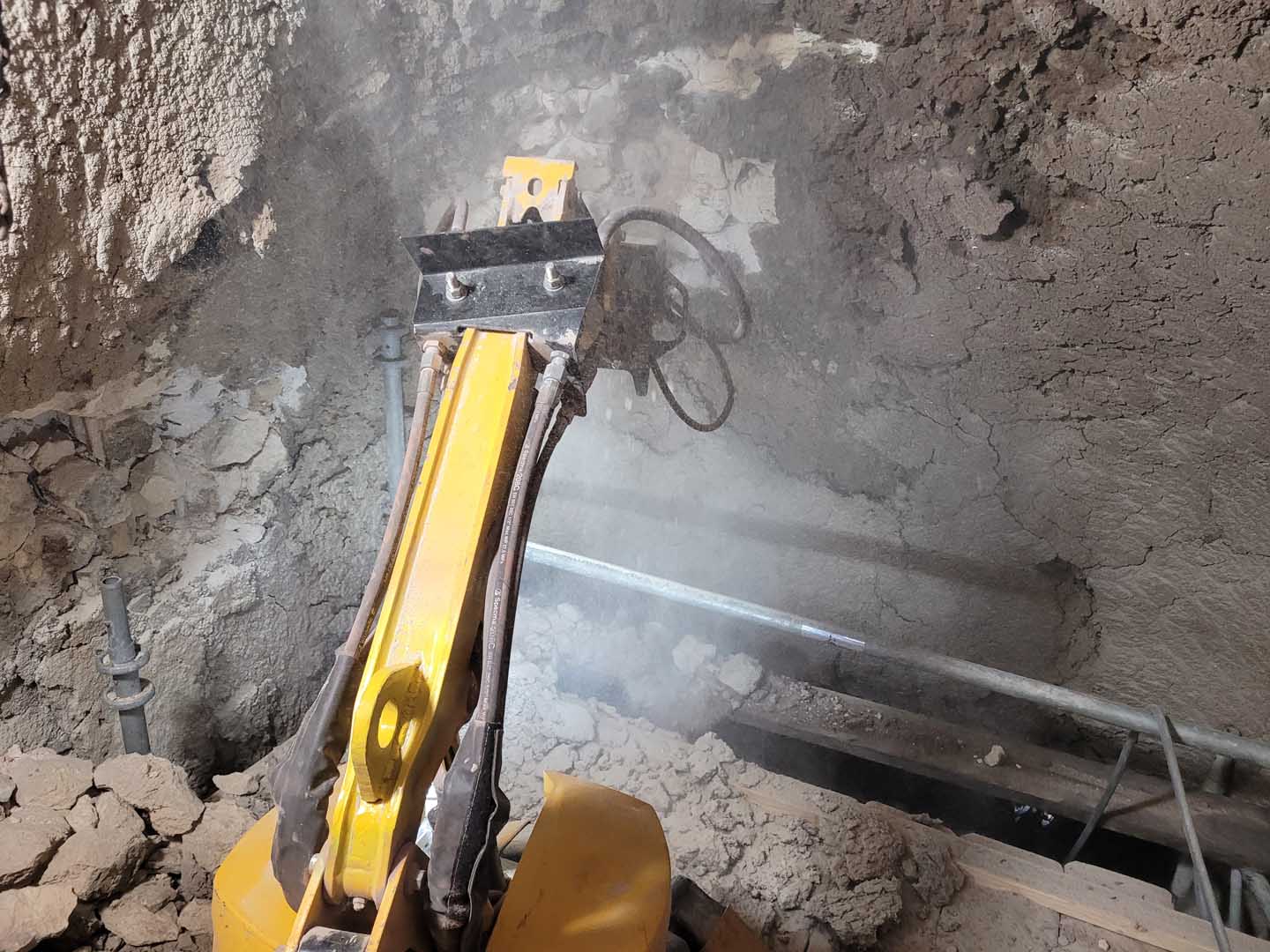
Once damage is found, the decision usually falls into one of three scopes:
- Spot repair — replacing individual bricks, repointing open joints, or patching small areas with plastic or gunning mix. Best when damage is local and the surrounding lining is sound.
- Partial reline — tearing out and rebuilding one section, such as a burner wall or a hearth, while the rest stays in place.
- Full tear-out and reline — when damage is widespread, the backup layer is compromised, or patches keep failing.
What tips the call is usually the condition behind the hot face. If heat has reached the insulating layer or the steel shell, patching the surface only hides the problem. Repeated patches in the same spot are another signal that a section has reached the end of its life.
Outage timing matters too. A planned reline during a scheduled shutdown almost always costs less in lost production than an emergency repair. Demo Plus handles both sides of that job, from refractory demolition and tear-out to installing the new lining.
Why installation matters as much as the brick
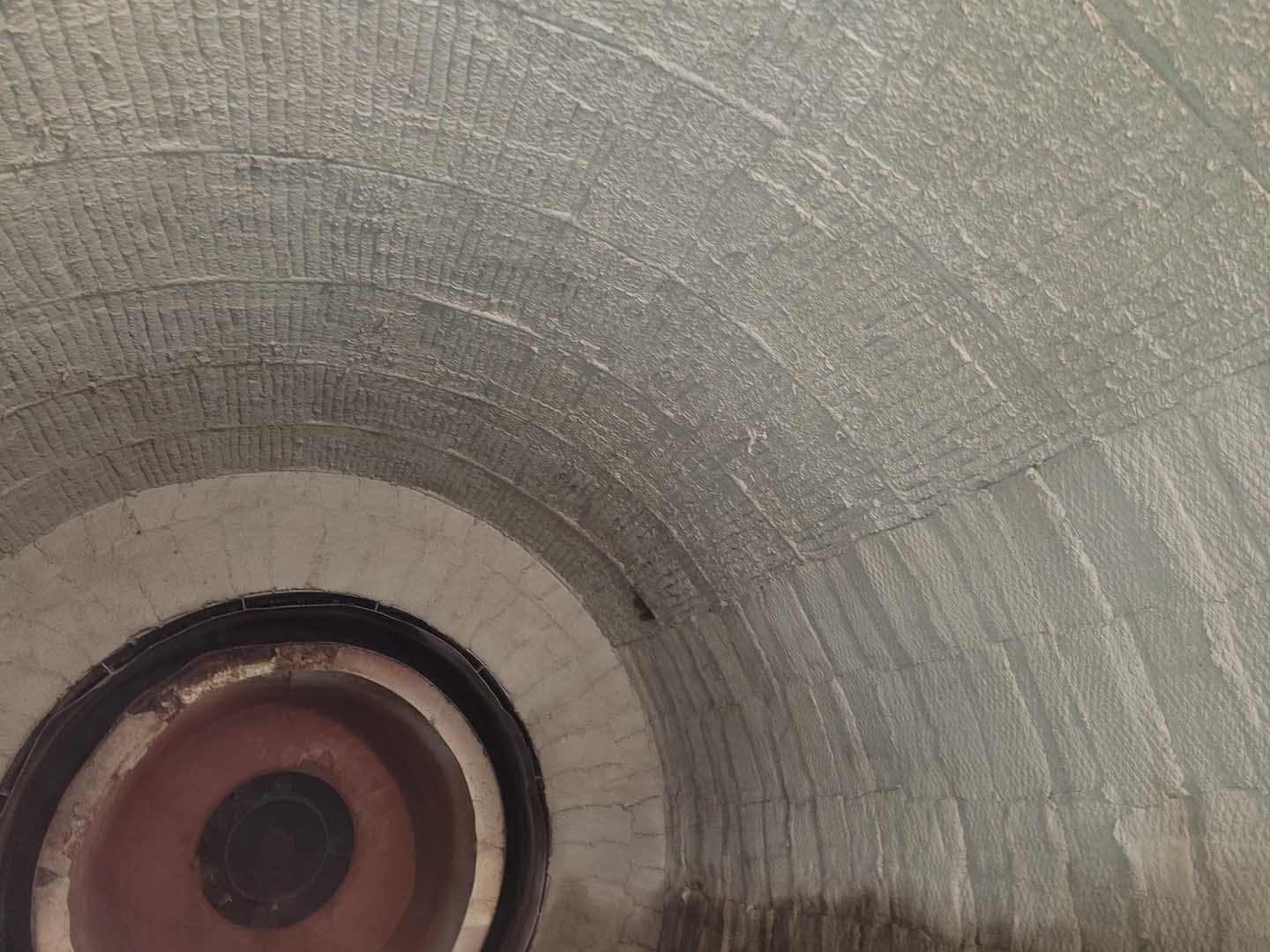
The best brick will still fail early if it is installed poorly. A few details make the difference:
- The right mortar — refractory mortar matched to the brick and the service temperature, with thin, full joints.
- Room to expand — brick grows as it heats. Expansion allowances keep walls from buckling or cracking.
- Proper support — anchors, shelves, and arches built so the lining carries its own weight.
- A controlled first heat-up — bringing new refractory up to temperature gradually drives out moisture without spalling it.
Demo Plus has installed and repaired refractory linings for boilers, furnaces, and kilns since 1994, across Minnesota, North Dakota, South Dakota, Wisconsin, and Iowa.
Frequently asked questions
What are refractory bricks made of?
Most refractory brick is made from fireclay, a natural clay rich in alumina and silica. Higher-performance bricks add more alumina, or use silica, magnesia, or silicon carbide for specific temperatures and chemical conditions.
What’s the difference between refractory brick and firebrick?
Firebrick is a common type of refractory brick, usually fireclay-based. “Refractory brick” is the broader term and also covers high-alumina, silica, magnesia, and silicon carbide bricks built for harsher conditions.
How long does refractory brick last?
It depends on temperature, heat cycling, chemistry, and installation quality. A well-installed lining in steady service can last many years, while linings that see frequent thermal shock or slag attack wear much faster. Regular inspection is the best way to track remaining life.
Can damaged refractory brick be repaired, or does it need replacing?
Local damage, such as a few cracked bricks or open mortar joints, can usually be repaired. Widespread spalling, a damaged backup layer, or patches that keep failing usually mean a partial or full reline is the better investment.
Is refractory brick better than castable?
Neither is better everywhere. Brick offers strength and long life in straight walls, floors, and arches. Castable is easier to form around openings, anchors, and complex shapes. Many linings use both.
Need refractory brick work done right?
Tell us about your equipment and we will scope the repair or reline, the brick, and the outage window.
Request a Quote