
Most facilities don’t think about pipe insulation until something goes wrong, a cold pipe sweating onto a control panel, or a hot line burning through energy budget it shouldn’t.
Here’s what actually goes into industrial pipe insulation: the material options, the jacketing that protects them, and the signs your current insulation is due for a replacement.
The short version: most industrial pipe insulation comes down to picking the right core material for the temperature, then the right jacketing to protect it and knowing when it’s time to redo it instead of patch it.
Jump to: What It Does · Materials · Jacketing · Hot vs. Cold · When to Replace · Removable Covers · Minnesota Climate · Our Process · FAQ
What Industrial Pipe Insulation Actually Does
Pipe insulation controls temperature on process lines — keeping heat in, keeping heat out, or protecting people and equipment from a pipe’s surface temperature.
That’s different from insulating a tank, a duct, or a boiler shell, even though all of it falls under the same “industrial insulation” umbrella.
Pipe runs have their own shape, their own access challenges at valves and flanges, and their own failure points where jacketing seams or end caps are the first thing to fail.
If you’re weighing insulation across your whole facility rather than one pipe run, our guide to industrial insulation services in Minnesota covers tanks, boilers, ducts, and equipment too.
This guide goes deeper on the pipe side specifically, the part most general overviews only mention in passing.
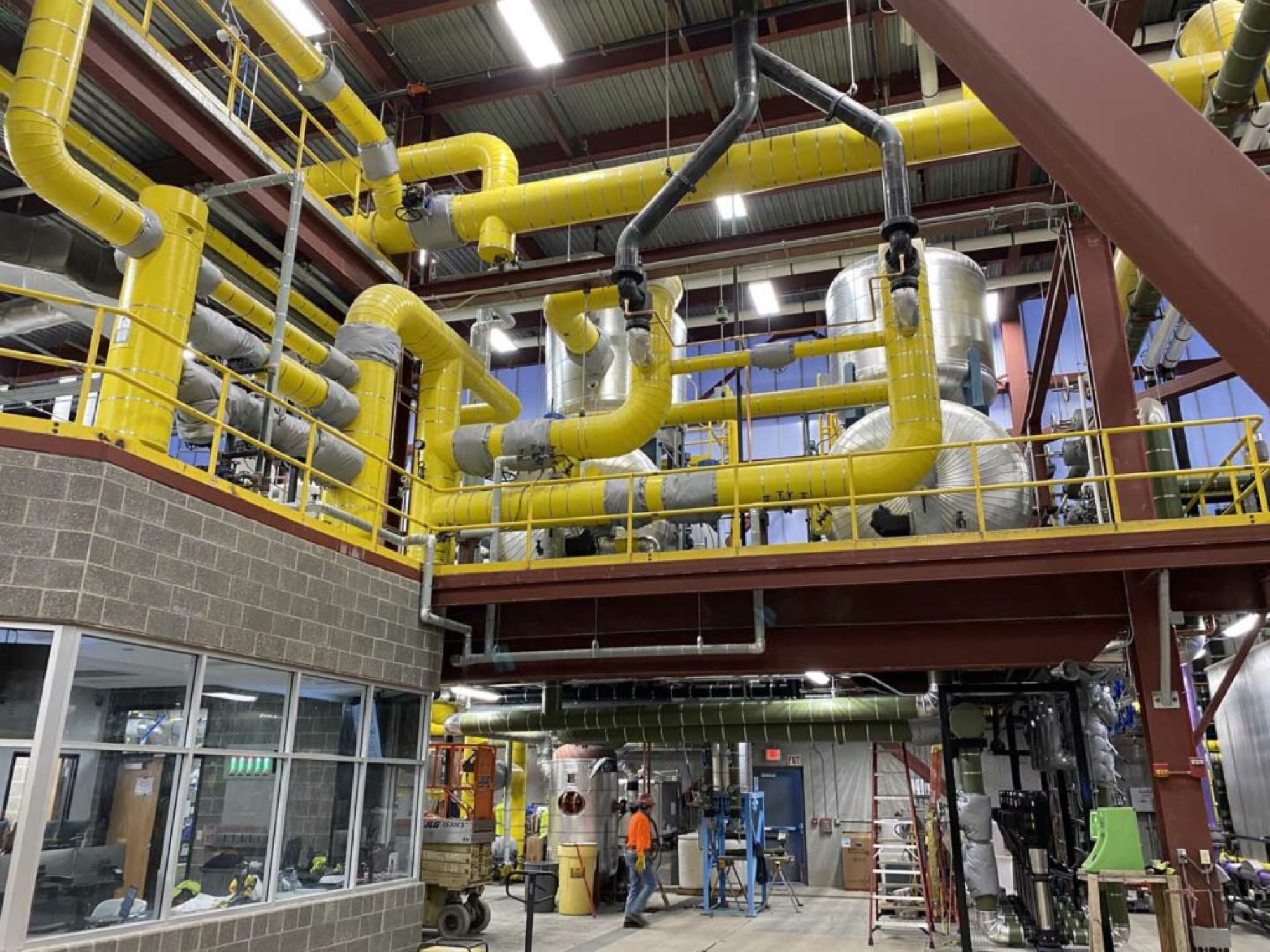
Insulation Materials: Aerogel, Foam Glass, Fiberglass & Mineral Wool
Demo Plus works with four core insulation materials, and each one fits a different situation.
Aerogel is the thinnest option for the insulating power it delivers, which matters when clearance around a pipe run is tight.
Foam glass handles moisture well and won’t absorb water the way some materials do, making it a common choice for cold and cryogenic lines.
Fiberglass is the workhorse for general hot-pipe applications with cost-effective and well understood by most facility teams.
Mineral wool holds up at higher temperatures than fiberglass and adds a real fire-resistance benefit on top of its insulating value.
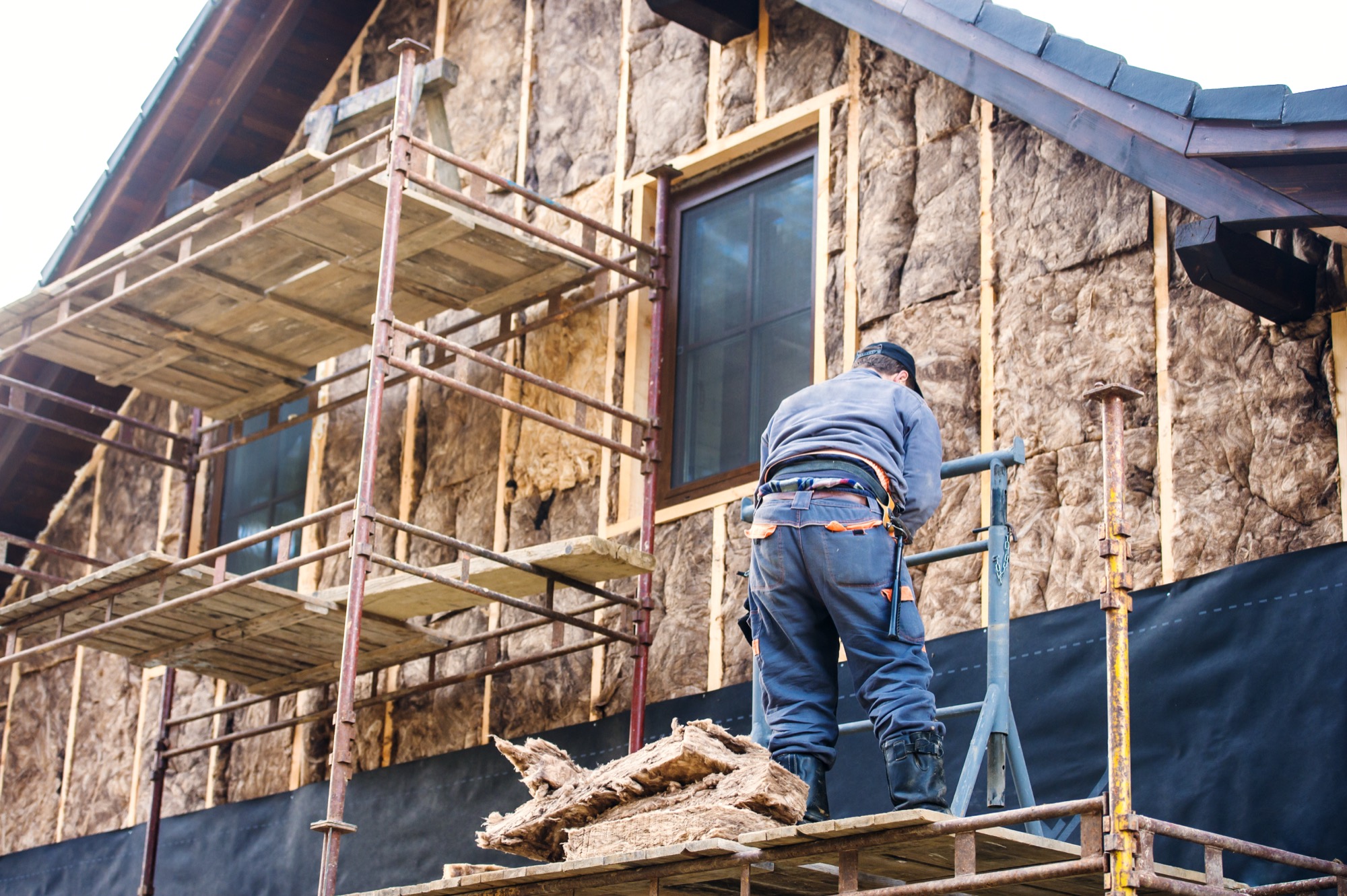
None of these is a universal “best” choice, the right one depends on temperature, moisture exposure, and how much clearance you’re working with.
Jacketing Options: PVC, Aluminum & Stainless Steel
Jacketing is the outer layer that protects the insulation underneath, and it matters as much as the material it’s covering.
PVC jacketing is lightweight and budget-friendly, and it works well in indoor settings without heavy physical wear.
Aluminum jacketing holds up better outdoors and against physical impact, which is why it shows up so often on exposed piping.
Stainless steel jacketing costs more upfront, but it’s the standard choice in corrosive environments or anywhere washdown and chemical exposure are a factor.
Getting the jacketing wrong is one of the most common reasons insulation fails early — the core material can be perfect and still get ruined by water intrusion through a bad seam.
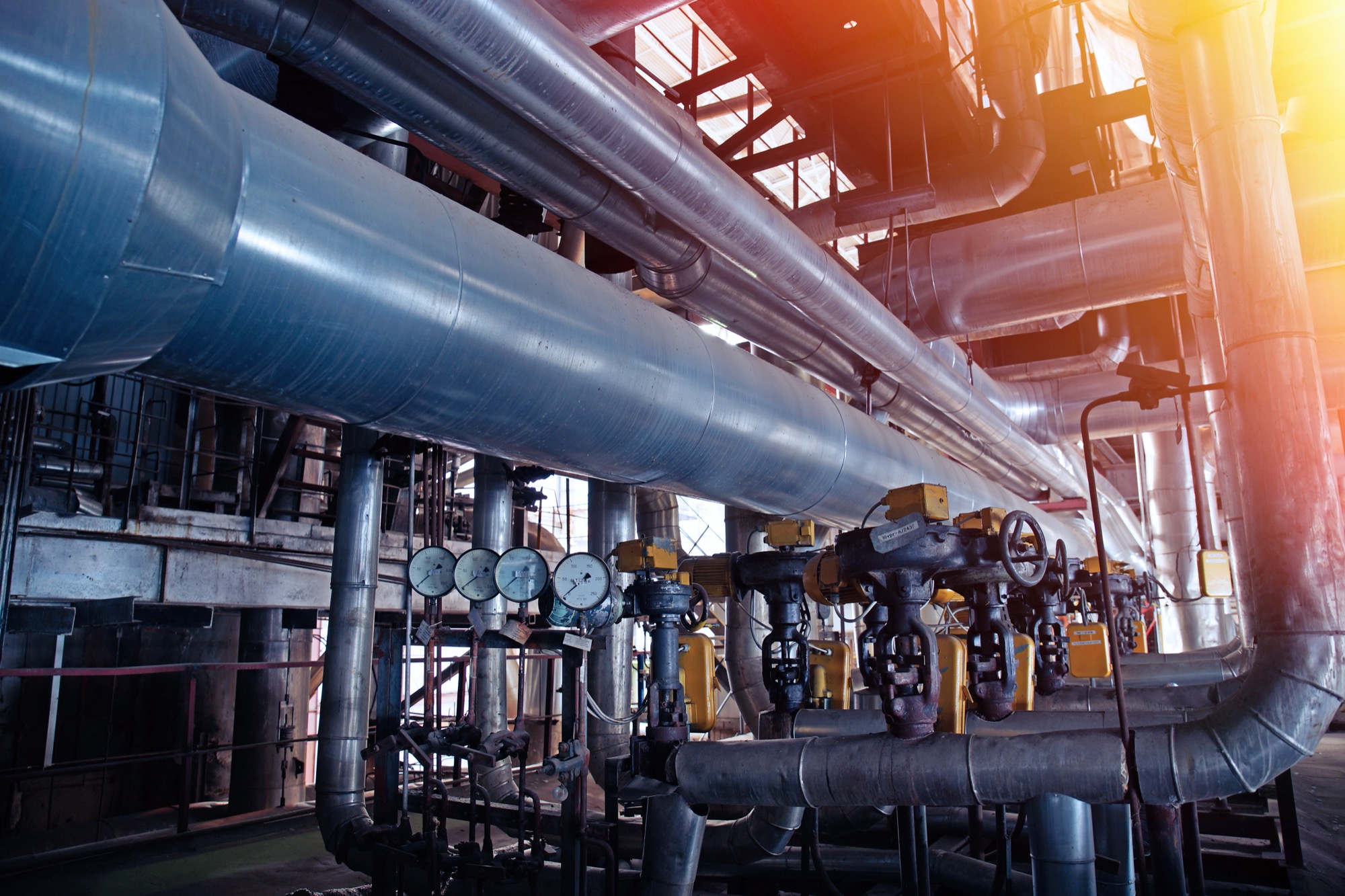
Need Industrial Pipe Insulation Done Right?
From material selection to jacketing, we handle it start to finish.
Hot Pipe Insulation vs. Cold Pipe Insulation
Hot and cold pipe insulation solve two different problems, even though the materials sometimes overlap.
Hot pipe insulation keeps process heat where it belongs and protects workers from surface-temperature burns.
Cold pipe insulation is doing the opposite job: keeping outside heat and humidity from reaching the pipe, which is what causes condensation.
Unmanaged condensation on cold lines leads to corrosion under insulation over time, which is a much more expensive problem than the insulation itself.
Some facilities run both in the same building — a hot process line a few feet from a chilled line — which means the material choice can change pipe to pipe, not just building to building.
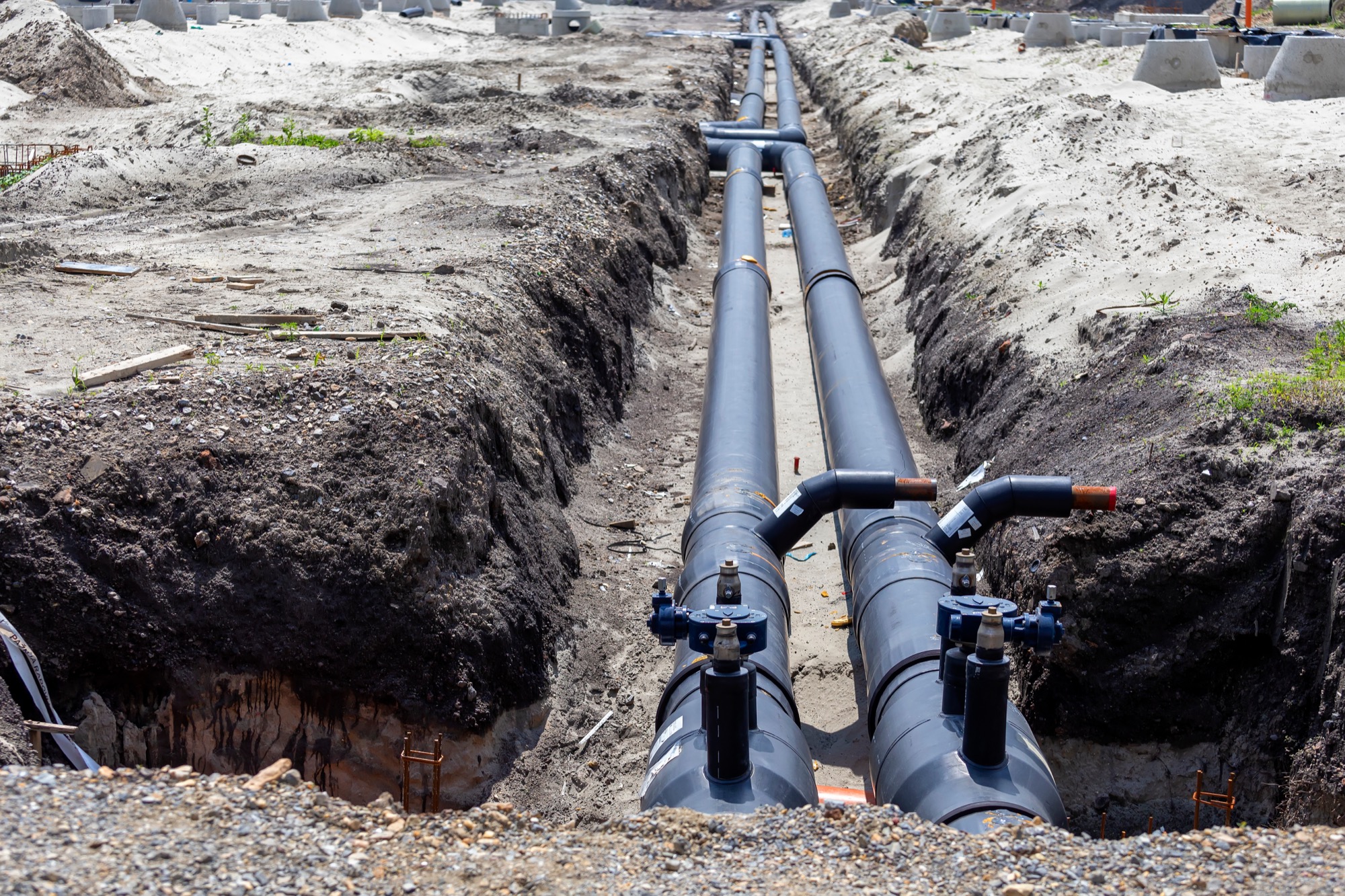
Signs Your Pipe Insulation Needs Replacing
Visible jacketing damage — dents, torn seams, missing end caps — is the easiest sign to catch during a routine walkthrough.
Wet insulation is a bigger problem, since water trapped inside can quietly corrode the pipe underneath long before it shows on the surface.
This failure mode has its own name in the industry — corrosion under insulation, or CUI — and it’s a serious one.
According to documented industry research on corrosion under insulation, water trapped under insulation can accelerate corrosion rates up to 20 times faster than on an uninsulated pipe.
That’s exactly why jacketing quality matters as much as the insulation material itself — a small seam failure is what lets the water in to begin with.
A noticeable rise in energy costs on a system that hasn’t changed is often a sign insulation has degraded, even without visible damage.
And if a turnaround or maintenance shutdown is already on the calendar, that’s the lowest-cost time to inspect and replace insulation while the system is already down.
Removable Insulation Covers for Valves & Access Points
Valves, flanges, and other points that need regular access don’t work well with permanent insulation.
Removable insulation covers solve that — they insulate the same as a permanent wrap, but unfasten for inspection or maintenance without tearing anything apart.
Skipping this on a valve that needs frequent access usually means someone ends up cutting into permanent insulation anyway, which just creates a repair job later.
It’s a small detail to plan for upfront, but it’s one of the easiest ways to avoid repeat repair costs down the line.
Insulation Planning for Minnesota’s Climate Swings
Minnesota facilities deal with a wider temperature swing than most — brutal cold winters alongside high-heat industrial processes running in the same building.
That combination is exactly why material and jacketing choice matters more here than in a milder climate — a system that’s fine in a moderate region can develop condensation and corrosion problems fast once a Minnesota winter hits.
Demo Plus has been solving that combination since 1994, working across Minnesota, North Dakota, South Dakota, Wisconsin, and Iowa.
What Working With Demo Plus Looks Like
Every project starts with an assessment of the whole system, not just the one pipe run that prompted the call.
From there, our team handles integrated estimating and on-site project management, so you’re working with one point of contact from quote to completion.
We work maintenance jobs, planned turnarounds, and new construction alike — whatever stage your project is in.
The same crews handle refractory work too, so if a pipe insulation project turns up a boiler or breeching issue along the way, it doesn’t mean bringing in a second contractor.
Our boiler refractory repair guide covers what that side of the work looks like, for facilities dealing with both systems.
Ready to Talk About Your Next Insulation Project?
Request a quote and we’ll help you plan the right solution.
Frequently Asked Questions
What’s the difference between hot and cold pipe insulation?
Hot pipe insulation keeps process heat in and protects workers from surface burns, while cold pipe insulation keeps outside heat and humidity out to prevent condensation and corrosion.
Which jacketing material is best for outdoor piping?
Aluminum jacketing generally holds up best outdoors and against physical impact, while stainless steel is the better choice in corrosive or washdown environments.
How do I know if my pipe insulation needs to be replaced?
Look for visible jacketing damage, wet or waterlogged insulation, and a noticeable rise in energy costs on a system that hasn’t otherwise changed.
Can insulation be installed around valves that need regular maintenance access?
Yes — removable insulation covers insulate valves and flanges the same as a permanent wrap, but unfasten for inspection or maintenance without cutting anything apart.
Ready to Plan Your Pipe Insulation Project?
The right combination of material and jacketing depends on your specific pipe runs, not a one-size-fits-all answer.
Request a quote and our team will assess your system and recommend the right materials for your facility.